Tips
Book a chalet directly instead of via a platform
Service fees, a real human contact, local advice, flexibility: here's what genuinely changes when you rent a large chalet directly from the owners rather than through Airbnb or Booking.
25 September 2026 · 11 min
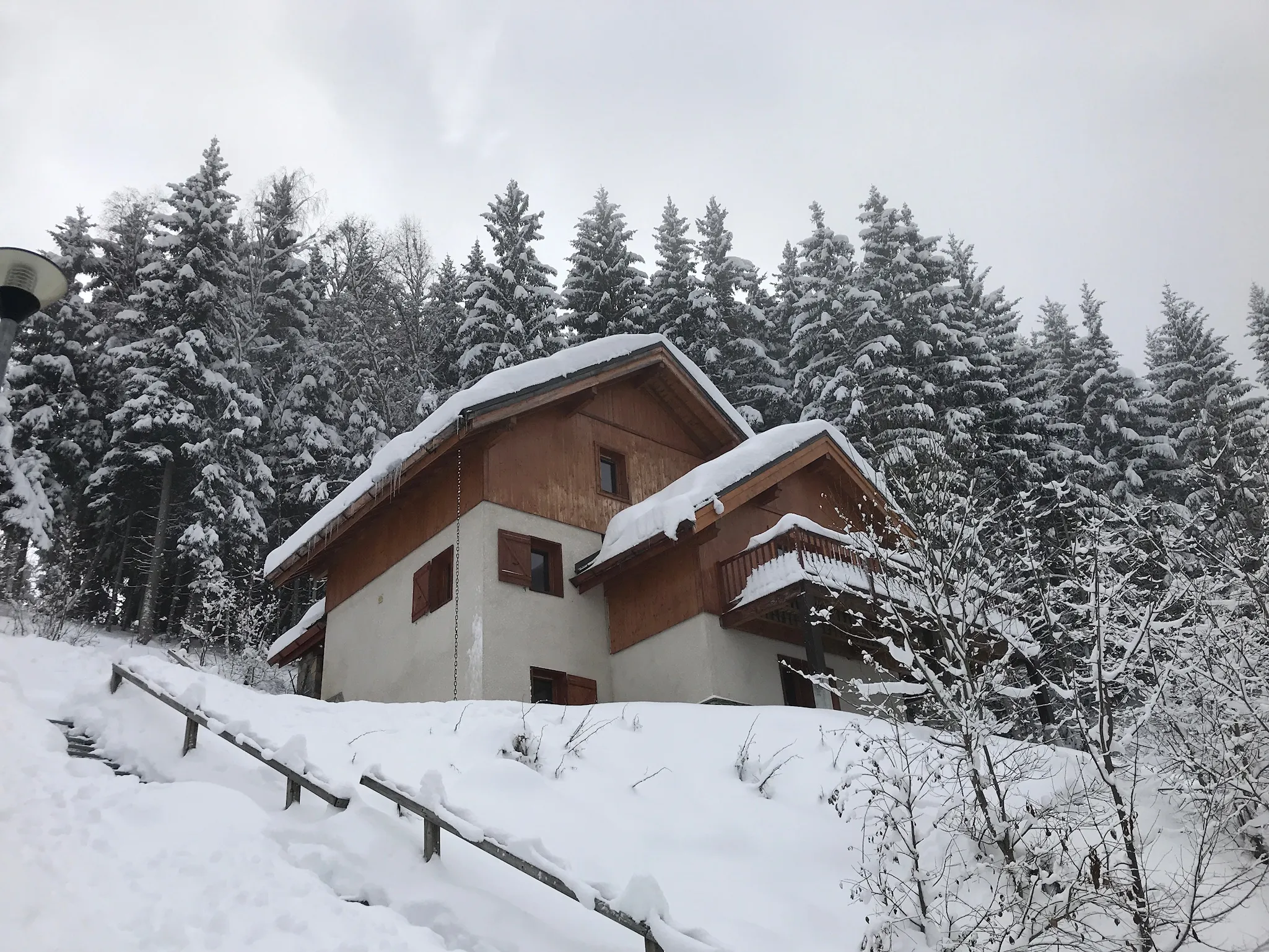
You compare the dates, you find the perfect chalet, you’re about to click “book” — and then, at the very last step, the price jumps. Service fee, cleaning fee, sometimes a booking fee: the price advertised at the top of the listing wasn’t the real one. Millions of travellers know that small letdown. It has a simple cause: between you and the property, a platform has slipped in, and it takes its cut. Renting a chalet directly — dealing straight with the owners — changes that equation, on price, but not only. Here, honestly, is what direct brings, what platforms keep for themselves, and how we work at the Ozalp’ Cottage chalet in Oz-en-Oisans.
Price: what platforms really take
Let’s start with the crux. The big rental platforms — Airbnb, Booking, Vrbo — aren’t free: they fund themselves by taking a commission on every booking. The detail varies by site and by era, but the order of magnitude is steady, and it’s high.
At Airbnb, the historic model charges the guest: a service fee added at checkout, generally representing up to 14–16% of the booking subtotal. Those are the fees that make the total leap at the final step, even though they add nothing to your stay. On Booking and Vrbo, the commission is instead taken from the host — most often around 15–20% of the total the customer pays, cleaning included. Whether the cut is shown separately or folded into the price, the result is the same: a significant share of what you pay goes neither to the property nor to the owners, but to the middleman.
On a €90 hotel night, a few euros of fees go almost unnoticed. On a large chalet rented by the week — several thousand euros — the maths is completely different. A 15% commission on a €5,000 stay comes to €750: enough to pay several people’s ski passes, or a good chunk of the week’s groceries. That is exactly the money booking direct keeps in your stay budget rather than in a platform’s pocket.
Worth knowing
The landscape is shifting: in 2026, Airbnb is moving its French model towards a single fee borne by the host (around 15% of the amount) rather than a split between host and guest. The vocabulary changes, but the principle stays the same: a commission of roughly 15% still exists, and someone pays it — you, directly or indirectly. Direct, it simply doesn't exist.
Compare the right number: the total, all-in price
The trap, when comparing a platform listing with a direct offer, is looking at the wrong number. The price highlighted at the top of a listing is almost never the final price: you have to add the service fee, the cleaning, sometimes the tourist tax and various extras that only appear at the end of the booking funnel.
The classic trap
Never compare a platform headline price with a total price direct. Always ask, on both sides, for the final all-in cost: rent + cleaning + any service fee + tourist tax. That's the only number that counts. A listing can show a very low "from" rate and end up, once the fees are added, dearer than a direct rental at the net price quoted from the outset.
When you book direct, a serious owner gives you a detailed, line-by-line quote upfront: the weekly rent by season, the charges-and-cleaning package, the security deposit (which is refunded to you), and any options such as linen. No surprise fee at the last step, no obscure line: you know exactly what you’re paying, and why. For the Ozalp’ Cottage chalet, that breakdown is in black and white in the quote, and every item is explained in our dedicated article on the rental terms: deposit, cleaning, security deposit.
Beyond price: the human contact
Reducing direct to a mere saving would miss the essential. What changes most, when you book with no intermediary, is the relationship. On a platform, you exchange with an interface, a standardised messaging system, sometimes a manager who administers dozens of properties without really knowing them. Direct, you talk to the person who knows the chalet — often the one who fitted it out, who has holidayed in it, who knows what time the sun reaches the terrace and which village shop sells the best cheese.
That difference is no small thing when you’re organising a stay for sixteen people. A large chalet isn’t an interchangeable room: it’s a group project, with its concrete questions. How many real parking spaces nearby? Is the drag lift suitable for beginners? Can you set up a cot somewhere quiet? Is there enough to make raclette for sixteen without the kitchen seizing up? An owner answers those in thirty seconds, with the experience of dozens of groups who came before you. A platform, at best, points you to a generic FAQ.
The owners' tip
Use the phone call to put everything on the table: mixed ski levels in the group, one family arriving late, a food allergy, a birthday to celebrate… The more you tell us beforehand, the better we prepare your stay. It's the kind of exchange no tick-box on a platform form can replace — and it's free.
— Célia, Isabelle, Olivier & Wilfrid
Local advice: a service nobody bills for
There’s a benefit of direct that’s rarely discussed because it can’t be priced: local advice. Involved owners become, for the length of your stay, your best guides. Where to park stress-free coming up to Oz? Which run to take home at the end of the day with tired children? Which mountain restaurant is worth the detour, and which to book for a New Year’s Eve dinner? Should you go up by gondola from Allemond rather than tackling the road on the busiest days?
That information is worth its weight in gold and appears in no listing. It turns a “fine” week into a genuinely successful stay. On the big practical topics, we’ve made a habit of writing everything down in black and white: our full, honest review of the Oz-en-Oisans resort is a good example, with its owned-up strengths and its limits. It’s the same logic as direct: telling it like it is, rather than selling a standardised dream.
Flexibility: simply working things out
Another concrete plus: flexibility. Platforms impose rigid rules — fixed arrival times, standardised options, channelled communication. Direct, everything is up for discussion, within reason and the cleaning schedule.
- Timings. A train or flight constraint? A slightly earlier arrival, a slightly later departure: we work it out when the schedule between two groups allows.
- Linen and options. Bringing your own linen or taking the option? We adapt the quote to your choice, with no imposed package.
- Last-minute questions. A number that answers, a real person on the line, before, during and after the stay.
- Special cases. Baby, reduced mobility, dietary needs, specific equipment: we find solutions case by case.
That ability to adapt is the luxury of small family setups. We run only one chalet, our own: every group matters, and we have the time to do things properly. An operator managing hundreds of properties through a platform structurally does not have that availability.
Guarantees: is direct really safe?
Here’s the real question that holds many people back: without a platform’s “safety net”, is it risky? The answer is no — provided you gather a few simple guarantees, which exist perfectly well outside any intermediary site.
- A written contract. Every serious holiday rental comes with a contract setting the dates, price, deposit, security deposit and cancellation terms. It's your first protection, and it has real legal force.
- A framed deposit, not full payment. The norm is a 20–30% deposit at booking, then the balance before arrival. A demand for immediate 100% payment, especially by an untraceable method, should raise a flag.
- A refunded security deposit. The security deposit covers any damage and comes back to you after the inventory check if all is in order. It's a safeguard, not a cost.
- Verifiable reviews. Look for public, independent reviews — Google first — that you can read freely, outside a platform's control.
This framework isn’t unique to platforms: it’s French holiday-rental law that applies, whether you book through a site or direct. The contract, the deposit, the security deposit, the inventory check — these mechanisms protect you either way. We detail each of them, with figures, in our guide to the rental terms. And to judge how serious we are without taking our word for it, our Google reviews are public and available at any time.
★★★★★
"We hesitated between booking direct and going through a platform, and we're glad we went direct. The phone contact from the start put us at ease, everything was clear, and we saved the service fees on a rental for sixteen. No nasty surprises, all substance."
What platforms do bring (let’s be honest)
Direct isn’t magic, and it would be dishonest to pretend platforms are useless. They provide real services worth acknowledging.
First, they offer built-in insurance and a trusted third party: in a dispute, a mediation service can rule, and some guarantees cover damage or cancellations. Second, they centralise secure payment and reassure when you know neither the property nor the host. Finally, their vast catalogue is unbeatable for discovering a place in a city where you have no bearings, or for an improvised short break.
For a first booking abroad, a small anonymous flat or an unknown host, those protections have real value — and we’d be the first to recommend them. But the calculation flips as soon as the property is clearly identified, the owners are reachable and transparent, and public reviews exist. That’s exactly the case for a large family chalet like ours: the platform’s “net” becomes largely redundant, while its commission stays very real.
For a large chalet, direct wins
Add it all up. On price, direct removes a commission of around 15%, often several hundred euros on a group stay. On the relationship, it connects you with people who know the chalet and the resort. On flexibility, it lets you work things out on timings, linen, special cases. On guarantees, it offers exactly the same legal protections — contract, deposit, security deposit, reviews — without the lock of an interface. The platforms’ only real advantage, insurance and arbitration, weighs little against an identified chalet and transparent owners.
| Criterion | Direct | Via a platform |
|---|---|---|
| Service fee / commission | None | ~15% (guest or host) |
| Who you deal with | The owners | An interface, a manager |
| Local advice | Personalised, included | Generic or absent |
| Timing / option flexibility | Case by case | Fixed rules |
| Framed contract & deposit | Yes | Yes |
| Refunded security deposit | Yes | Yes |
| Verifiable reviews | Public (Google) | Filtered by the platform |
| Built-in insurance / arbitration | No (buy separately) | Yes |
For a one-night hotel room in an unfamiliar city, the platform makes sense. For gathering sixteen people for a whole week in a chalet you’ll have chosen, whose reviews you’ll have read and whose owners you’ll have heard on the phone, direct ticks every box — and hands you back the service-fee money.
How to book Ozalp’ Cottage directly
With us, the process is deliberately simple and human. No “pay now” button that commits you blind: you send a request through the contact form with your dates and the number of people, and we call you back. On the phone, we confirm availability, answer all your questions, walk you through every term and send a written quote. Nothing is committed until you’ve said yes with full knowledge of the terms.
Why this stance? Because for sixteen, a stay takes preparation, and a conversation beats ten emails. That call is also how we check the chalet really matches your plans — and how we start on a relationship of trust rather than an anonymous form. Want to compare seasons and net prices, with no hidden fees? It’s all on our rates and availability page, and a simple call is enough to lock in your dates.
To go further on the legal framework, the official pages of the French DGCCRF on holiday rentals and the service-public.fr note on the holiday-rental contract detail your rights. And if you want to understand exactly where platform fees come from, Airbnb’s help centre on service fees lays it out in black and white.
Frequently asked questions
What does booking a chalet 'directly' mean?
How much do a platform's fees cost?
Is it cheaper to rent a chalet directly?
Is it risky to book without going through a platform?
What guarantees do you get direct compared with a platform?
How do you check that a chalet rented directly is trustworthy?
What if the owner asks for full payment upfront?
Do platforms bring nothing useful, then?
Can you negotiate or personalise your stay when booking direct?
How do you book the Ozalp' Cottage chalet?
Read next
 Tips
Skiing in January off-peak: the smart move for groups
Empty slopes, prices cut almost in half and a wide-open chalet: why January outside the school holidays is the best ski week of the winter for a large group free to choose its dates.
Read more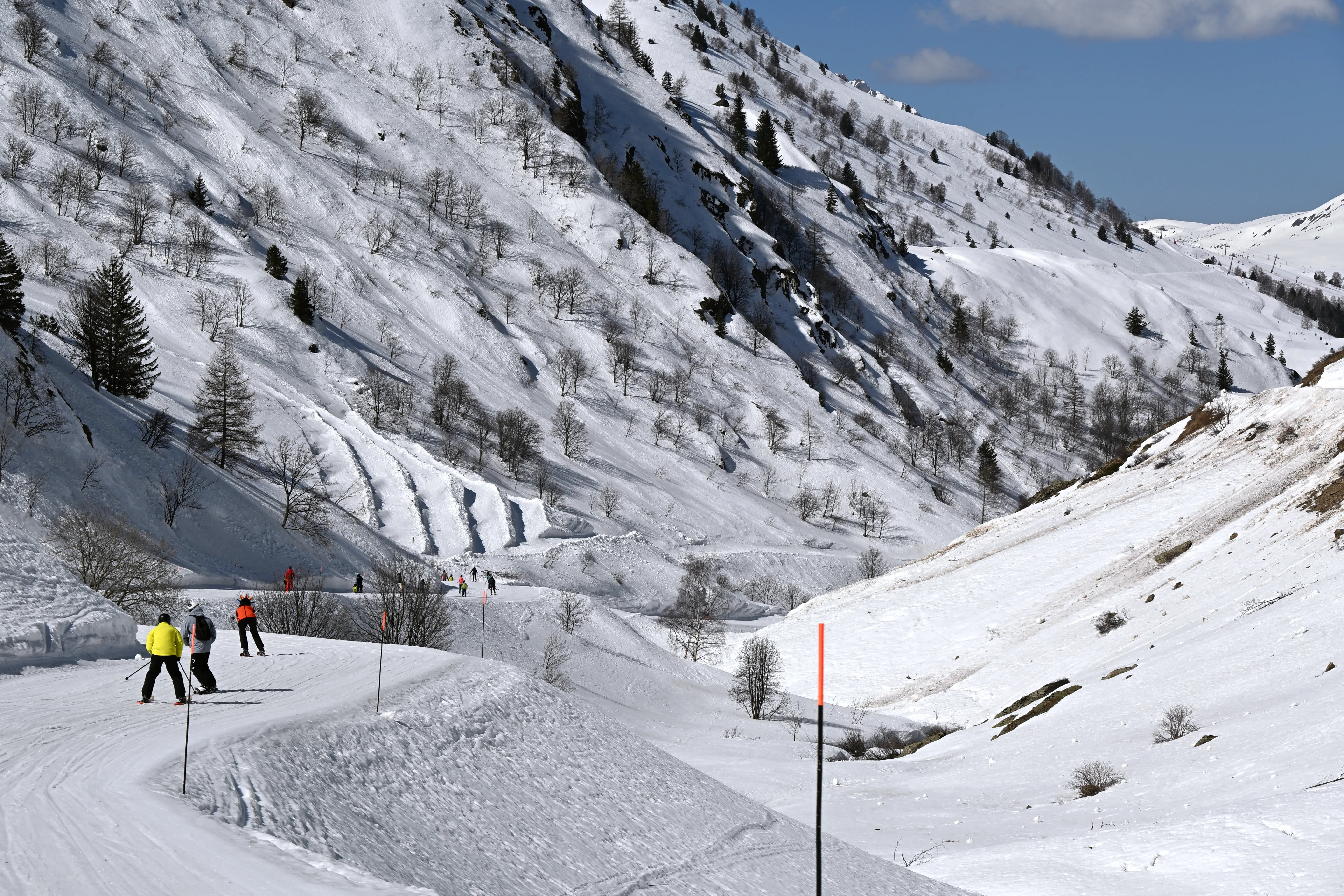 Tips
Skiing during the 2030 Olympics: pick a quiet resort
In February 2030, while the host resorts of the Games are overrun, Alpe d'Huez will be running at full tilt with no events at all. The smart play: ski in peace and pop over to watch a competition for the day.
Read more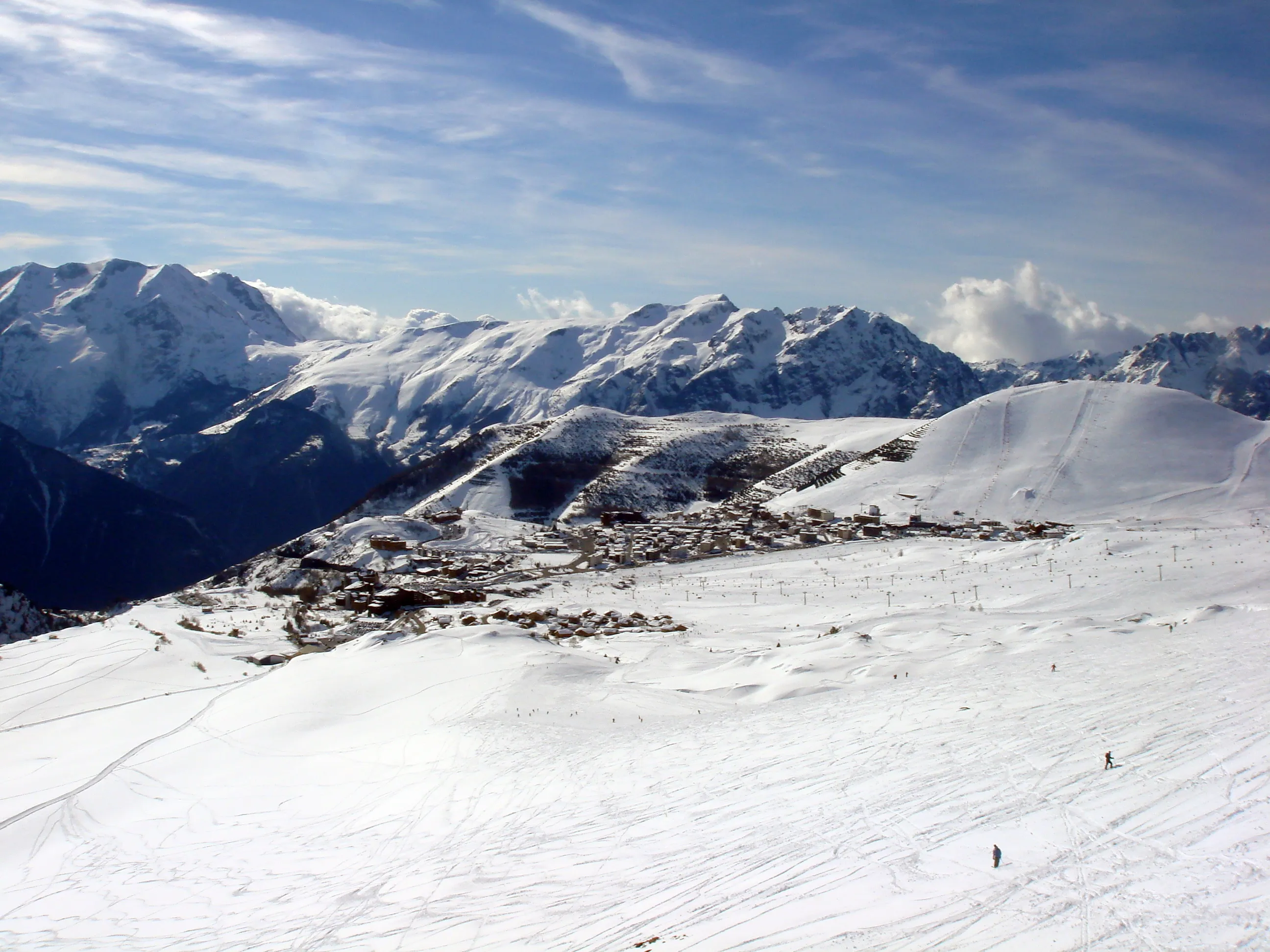 Guide
February half-term in Alpe d'Huez: book early
French zone dates, peak-season prices, crowds and clever tips to ski smart: the complete guide to the February half-term at Alpe d'Huez, seen from the chalet in Oz.
Read more